
At Saibaba Diagnostics, our Serology laboratory provides a range of diagnostic tests designed to detect and measure specific antibodies, antigens, proteins, and hormones in blood and other appropriate biological samples.
Serology plays an important role in modern diagnostics by helping healthcare professionals assess immune responses, identify evidence of certain infections, evaluate specific medical conditions, and monitor various health parameters.
Our laboratory combines reliable testing methodologies with quality-focused processes to provide accurate, timely, and dependable diagnostic results that support informed healthcare decisions.
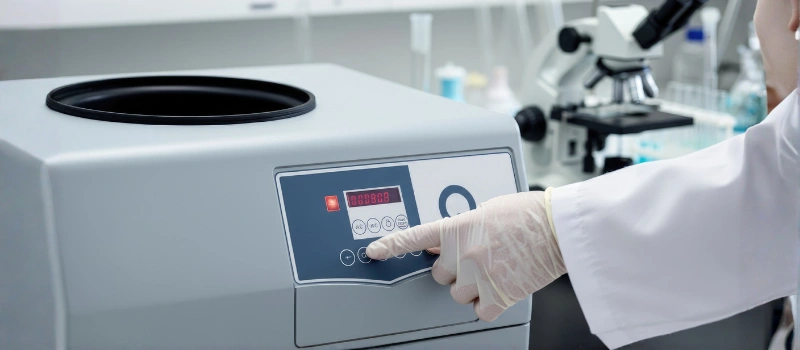
Serology is the study and laboratory testing of components found in blood serum, particularly antibodies and antigens associated with the body’s immune response.
When the body encounters a foreign substance such as a virus, bacterium, or other antigen, the immune system may produce specific antibodies. Serological testing can help identify these antibodies or detect specific antigens in a patient’s sample.
Depending on the test, serology may provide information about whether a particular immune response or target substance is present and, in some cases, its approximate level.
Although the exact procedure varies according to the specific test, a typical ELISA involves several carefully controlled steps.
1. Sample Collection
An appropriate biological sample, commonly blood or serum, is collected according to the requirements of the specific investigation.
2. Target Recognition
The patient’s sample is introduced to a testing system containing specific antibodies or antigens designed to recognize the substance being investigated.
3. Binding
If the target substance is present, it binds to the corresponding antibody or antigen in the test system.
4. Enzyme-Based Detection
An enzyme-linked reagent is introduced as part of the testing process. The enzyme participates in a reaction that produces a measurable signal.
5. Result Measurement
The resulting signal, commonly a change in color, is measured using laboratory equipment. The result is then interpreted according to the specific test methodology and reference criteria.
Quality is an essential part of every diagnostic investigation performed at Saibaba Diagnostics. From sample collection and processing to analysis and reporting, appropriate procedures are followed to help maintain consistency and reliability.
Advanced laboratory methodologies such as ELISA provide a structured approach to detecting and measuring specific biological substances.
Our commitment is to provide diagnostic information that healthcare professionals can use confidently as part of the overall clinical evaluation.

We provide a wide range of diagnostic services ranging from complete health check-up packages for citizens & corporates to super-specialty tests
We provide a wide range of diagnostic services including Master health checks and preventive screening for individuals and corporates
Copyright © 2026. All rights reserved. Saibaba Diagnostics & Labs
Terms and Conditions
Privacy Policy
